Maryam’s devotion and purity was further exemplified when Allah commanded her to give birth to ʿIsa, upon him be peace, without any human intervention. Notwithstanding her great status, Maryam’s cry, “Oh, I wish I had died before this and was a thing long forgotten!” (Qur’an 19:23) is a sincere reflection of her vulnerable humanity. Despite being chosen by Allah and described as one of the best women to ever live, she faced the very real pain of being misunderstood. For a woman of her piety, the thought of returning to her people with a child must have been excruciating. Her chastity was her honor, and she knew the accusations that awaited her. Moreover, the thought of losing control of her body and enduring such physical pain alone and so unexpectedly would have been terrifying. In this respect, her example touches those of us who may have felt the sting of unwarranted judgment or shame, scorn, or pain for circumstances beyond our control. Maryam’s story reminds us that even the most righteous among us are not immune to being falsely accused or tested with great pain, and her response teaches us how to navigate such moments with faith.
At the height of her despair, Allah’s mercy enveloped Maryam,
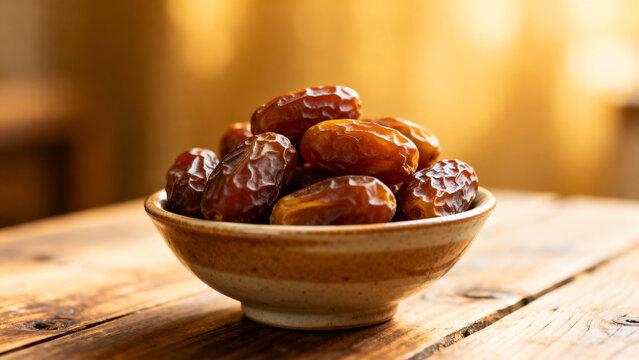
So a voice reassured her from below her, “Do not grieve! Your Lord has provided a stream at your feet. And shake the trunk of the palm tree toward you; it will drop fresh, ripe dates upon you. So eat and drink and be comforted.”
In this powerful moment, Allah responded to Maryam’s cry with care. He provided her with water and dates—symbols of sustenance and comfort. The physical act of shaking the palm tree, though seemingly impossible for a woman in the pains of labor, is a profound reminder that even in our weakest moments, we are called to make an effort, trusting that Allah will provide ease and blessings through means we often cannot imagine.
For anyone who has felt abandoned or overwhelmed in their trials, this moment in Maryam’s story offers reassurance. When we call out to Allah, His help is near and His mercy unaffected by the magnitude of our pain or the judgments of others.
As anticipated, when Maryam returned to her people carrying baby ʿIsa, upon him be peace, they reacted with shock and indignation,
They exclaimed, “O Mary! You have certainly done an outrageous thing! O sister of Aaron, your father was not an indecent man, nor was your mother unchaste.”
Rather than defending herself against such heinous accusations, as all humans naturally incline to when they are unjustly accused and humiliated, Maryam obeyed Allah’s command to remain silent (Qur’an 19:26), relying on His divine plan. She pointed to the infant, and ʿIsa, upon him be peace, miraculously spoke in her defense,
I am truly a servant of Allah. He has destined me to be given the Scripture and to be a prophet. He has made me a blessing wherever I go and bid me to establish prayer and give alms as long as I live.
In this extraordinary moment, Allah vindicated Maryam, silencing her accusers, preserving her honor, and elevating her status as the mother of a prophet. Her silence and trust in Allah teach us the power of relying on Him throughout our greatest hardships, and, perhaps most profoundly, when words fail us. The wisdom in Allah’s command is a reminder that Allah is the greatest and ultimate defender of the innocent and oppressed.